Rotor Resurfacing vs. Rotor Replacement: What’s Best for Your Brakes?
When it comes to brake service, one question comes up often: should you resurface your rotors or replace them entirely? While both options exist, we take a clear stance at Buckeye Complete Auto Care — we always replace rotors when we replace brake pads.
Here’s why that matters for your safety, performance, and long-term value.
What is Rotor Resurfacing?
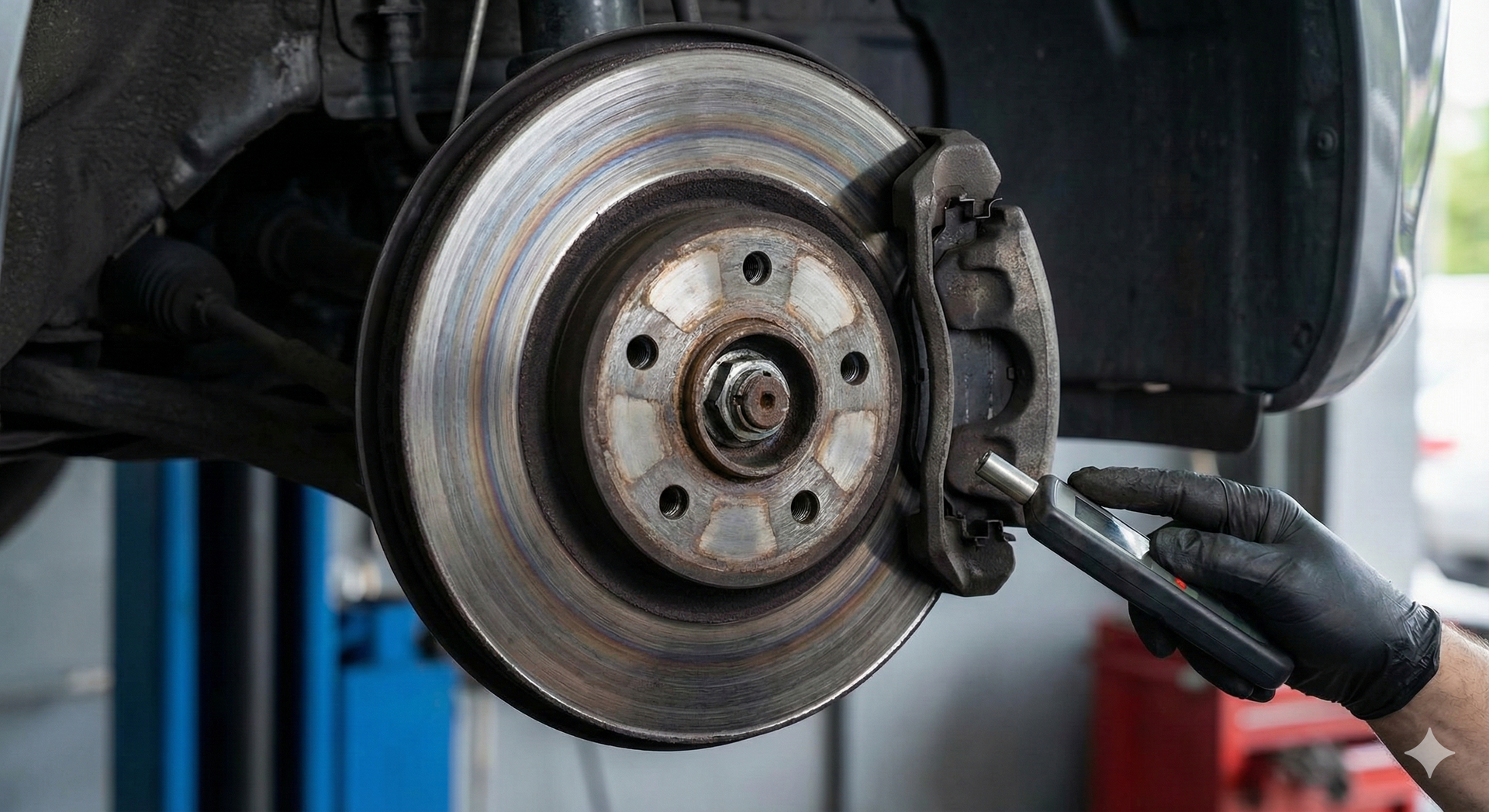
Rotor resurfacing is the process of shaving a thin layer of metal from the surface of your brake rotors. It’s meant to smooth out minor imperfections like shallow grooves or slight warping.
In theory, this can help restore clean contact between the rotor and your new brake pads. But there’s a catch: every time a rotor is resurfaced, it gets thinner — and thinner rotors can't handle heat or stress as effectively.
Even a perfectly resurfaced rotor has already been through heat cycles, wear, and stress. That leaves less material to absorb braking heat, which increases the risk of brake fade, warping, and reduced stopping power.
What is Rotor Replacement?
Rotor replacement involves removing your old, worn rotors and installing brand-new ones that meet your vehicle’s exact specifications. New rotors haven’t experienced wear, heat damage, or thickness loss. They provide:
- Full braking surface for optimal pad contact
- Maximum metal thickness for better heat management
- Smooth, consistent stopping power
- A clean start for new brake pads to seat properly
Modern vehicles have tighter tolerances and higher demands on braking systems. In this environment, rotor replacement is the most reliable option.
Why We Always Replace Rotors with Pads
At Buckeye Complete Auto Care, we don’t resurface rotors — and we don’t reuse them when installing new pads. Here’s why:
1. Safety Comes First
Thin or worn rotors are more likely to overheat and fail under stress. Resurfacing reduces their ability to dissipate heat and compromises performance during emergency stops, towing, or repeated braking.
2. New Pads Need New Rotors
Brake pads and rotors wear in together. If you put new pads on old rotors, the mismatch in surface contact leads to noise, uneven wear, and poor brake feel. The result? Your new pads won’t last as long, and your vehicle won’t stop as well.
3. Most Modern Rotors Aren’t Designed for Resurfacing
Today’s rotors are made thinner from the factory to reduce weight and cost. Many don’t have enough material left for safe resurfacing by the time they’re worn. It’s not just ineffective — it’s unsafe.
4. Replacement Offers Better Long-Term Value
While resurfacing may seem like a quick fix, it often leads to repeat visits and premature pad wear. Installing new rotors ensures longer-lasting, quieter, and more consistent braking.
The Bottom Line
Resurfacing might be an option for some older vehicles in specific situations, but it’s not something we recommend or perform. When we service your brakes, we do it the right way — and that means replacing rotors every time we install new pads.
It’s not about upselling. It’s about ensuring your vehicle stops safely, smoothly, and reliably every time.
While our shop doesn’t resurface rotors, we perform all other brake services. Visit our shop in Columbus or Westerville for all your brake repair needs.