Why Do Brakes Squeal? Common Causes and What They Mean for Your Vehicle
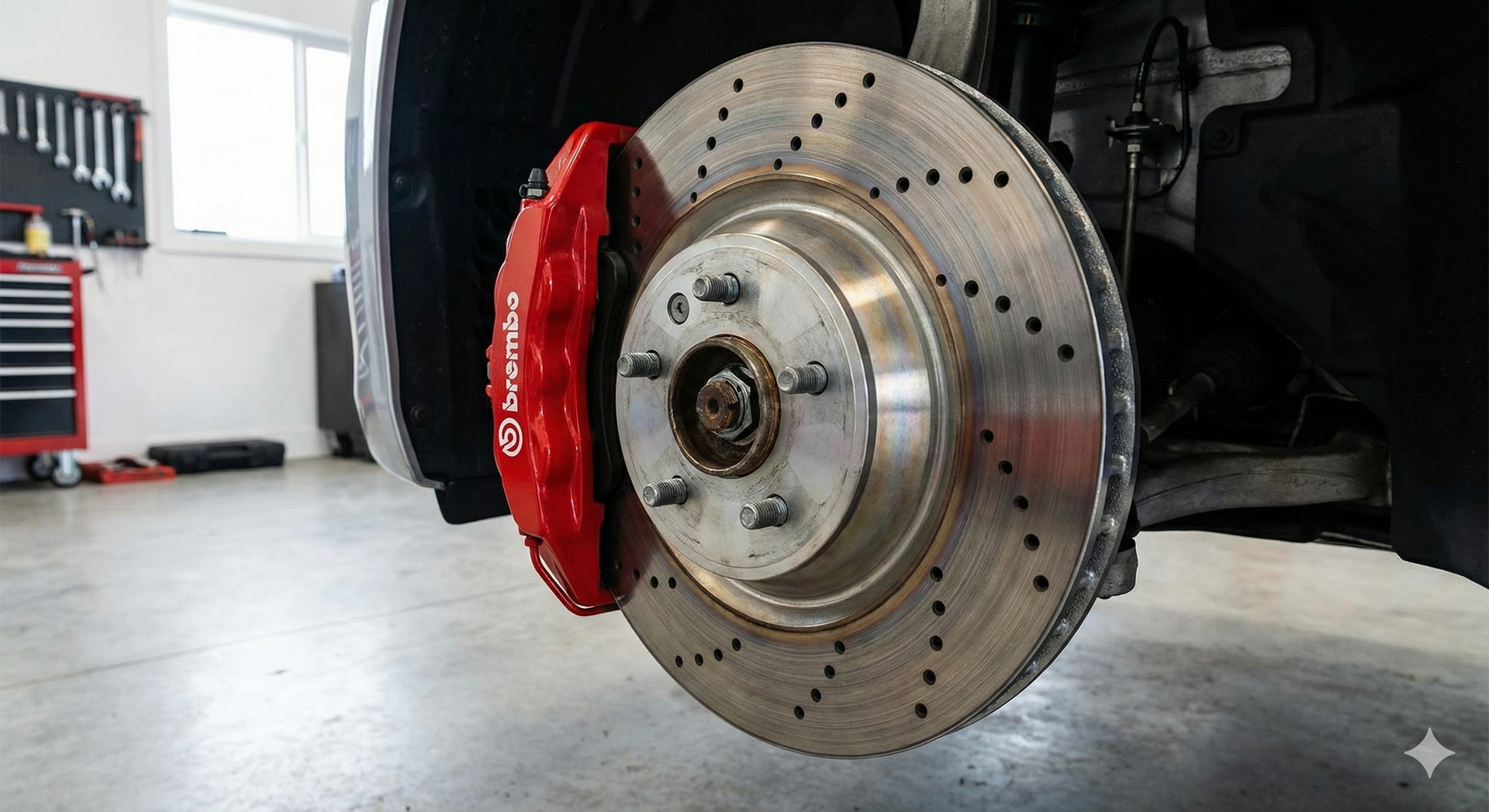
That high-pitched screech when you press the brake pedal can make any driver cringe. We hear this complaint a lot at our shop and here’s the reason. Brake squeal happens when metal parts vibrate at high frequencies because of friction between the brake pad and rotor.
Brake squeal usually pops up because of vibrations in the brake system, worn brake pads, glazed rotors, or moisture and debris buildup.
The noise doesn't always mean your brakes are on the verge of failing, but it's definitely a sign something needs attention. As automotive expert and ASE Master Technician {Employee name} says, "Brake noise is your car's way of telling you that something has changed in the braking system, and it's worth investigating rather than ignoring."
Let's dig into why brakes squeal and what you can do about it. We’ll cover common causes, how driving conditions affect brake noise, and when you should bring your vehicle to us for a closer look.
Common Factors That Cause Brakes to Squeal
Brake squealing happens for a few specific reasons, from natural pad wear to issues with how parts are installed or maintained. We see these issues all the time, and most can be avoided with a little care.
#1 Worn Brake Pads
Brake pads wear down naturally over time from rubbing against the rotors. Most have a small metal tab called a wear indicator built in.
When the pad gets thin enough, this tab touches the rotor and makes a high-pitched squeal. It's basically an early warning system.
It tells you the pads need replacing soon, usually when there's about 2-3 millimeters of material left. If you let this go, the pad backing plate will eventually grind right into the rotor, which gets expensive fast.
We recommend checking your pads every 10,000 miles and swapping them out when they hit 3-4 millimeters of thickness.
#2 Contaminated Rotors or Pads
Oil, grease, brake fluid, or other stuff can get onto your brake pads or rotors. This messes with the friction and creates squealing or squeaking when you brake.
Common sources include leaking valve cover gaskets, power steering fluid leaks, or just sloppy work during service. Even touching the rotor with oily hands can cause issues.
We usually clean minor contamination with brake cleaner. But if the pads soak up oil or grease, they need replacing since the gunk gets deep inside.
#3 Improper Pad Installation
Brake pads need the right hardware and lubrication in the right spots to stay quiet. Missing or wrong installation of anti-rattle clips, shims, or pad lube leads to vibration and squealing.
The backing plates of pads have to sit flat against the caliper bracket. Any dirt, rust, or leftover pad material here causes vibration.
We always clean these spots well and use high-temp brake lube on the pad ears and backing plates (never the friction surface). Missing or messed up shims also make noise, since they dampen vibrations between pad and piston.
#4 Glazed Brake Components
Glazing shows up when pads or rotors get a hard, glassy surface from too much heat. This happens from riding the brakes, repeated hard stops, or using cheap parts.
Glazed surfaces can't grip well. Instead of smooth friction, they vibrate and squeal. Braking performance drops too.
We can sometimes fix light glazing by roughing up the surface with sandpaper or a brake lathe. If it's bad, we replace the parts. Breaking in new brakes the right way helps keep glazing from happening.
#5 Weather Impact on Brake Performance
Cold weather makes brake parts contract and get stiffer. When you start driving on a cold morning, the pads and rotors aren't warmed up yet, so you might hear squealing.
This usually goes away after a few stops. Moisture is another culprit.
Rain, humidity, or morning dew can leave a thin layer of water on your rotors overnight. When you hit the brakes, that moisture causes temporary squealing until it burns off.
We also notice more brake noise in winter. Road salt and de-icing chemicals build up on brake parts, making the pad and rotor surface rough and squeal-prone.
Regular cleaning during winter really helps. It’s not a cure-all, but it makes a difference.
#6 Driving Habits and Patterns
Hard braking cranks up the heat and wears down pads faster. Aggressive braking can glaze the pads, which then squeal against the rotors.
Smoother, gradual stops are just easier on your brakes. Stop-and-go city driving is tough on brakes too.
Frequent braking in traffic keeps the brakes from cooling properly. This steady heat breaks down pad material and can make them squeal.
Long stretches without driving can cause issues as well. When your car sits, surface rust forms on the rotors, creating an uneven surface that squeals when you get going again.
Light squealing after your car’s been parked is usually just rust wearing off. Nothing to worry about unless it sticks around.
Types of Brake Systems
Disc brakes use calipers that squeeze brake pads against a flat rotor. Most modern vehicles run disc brakes on all four wheels, but some older or budget models only have them up front.
Disc brakes tend to squeal more because the rotor is exposed to air, moisture, and road debris. Drum brakes use curved brake shoes that press outward against a drum.
We mostly see these on the rear wheels of older cars and some trucks. They squeal less often since the enclosed design keeps out a lot of debris.
Ceramic, semi-metallic, and organic brake pads all have their own quirks. Ceramic pads usually run quieter but cost more. Semi-metallic pads stop well but can be noisy.
Organic pads are quiet but wear out faster. So, it’s a bit of a trade-off. Here is a table showing the different brake pad types and how long they usually last.
Vehicle-Specific Considerations
Different vehicles deal with brake squeal in their own ways, depending on their brake systems and components. The pads you pick and whether your car uses regenerative braking both matter a lot.
OEM Versus Aftermarket Brake Pads
When we install pads, we see clear differences between original equipment manufacturer (OEM) and aftermarket options. OEM pads match your vehicle’s exact specs.
Aftermarket pads come in more materials and price points. Some use harder compounds that last longer but squeal more, while others use softer materials that stay quiet but wear out faster.
Key differences we notice:
- OEM pads: Quieter, cost more, fit perfectly
- Aftermarket pads: Quality varies, cheaper, more material choices
- Performance pads: Can squeal more but stop better
Cheaper aftermarket pads often skip the noise-dampening shims and proper backing plates that prevent squealing. Premium aftermarket brands can match or beat OEM quality if installed right.
Why We Use Aftermarket Brake Pads
At Buckeye Complete Auto Care, we install premium aftermarket brake pads because we believe they offer the best combination of performance, value, and reliability for our customers. After years of servicing thousands of vehicles, we’ve seen how well high-quality aftermarket parts hold up.
Top-tier aftermarket brake pads often outperform OEM options, especially when chosen and installed by experienced technicians. They come in a wider variety of materials and formulations, allowing us to match the right pad to your specific driving needs, whether that’s daily commuting, towing, or performance driving.
Here’s why we stand behind aftermarket brake pads:
- Performance: Many aftermarket options offer superior stopping power and durability.
- Quiet Operation: With proper installation, quality aftermarket pads stay just as quiet as OEM.
- Value: You get more choices at better price points without sacrificing safety.
- Customization: We can tailor the pad material to your driving habits and vehicle type.
We only install brake pads from trusted brands that meet or exceed OEM specifications. The key to quiet, effective braking isn’t just the brand, it’s the right part installed the right way.
Diagnosing Brake Squeal
Finding the exact source of brake squeal helps us fix the problem faster. Different noises point to different brake issues.
Identifying Squeal Source
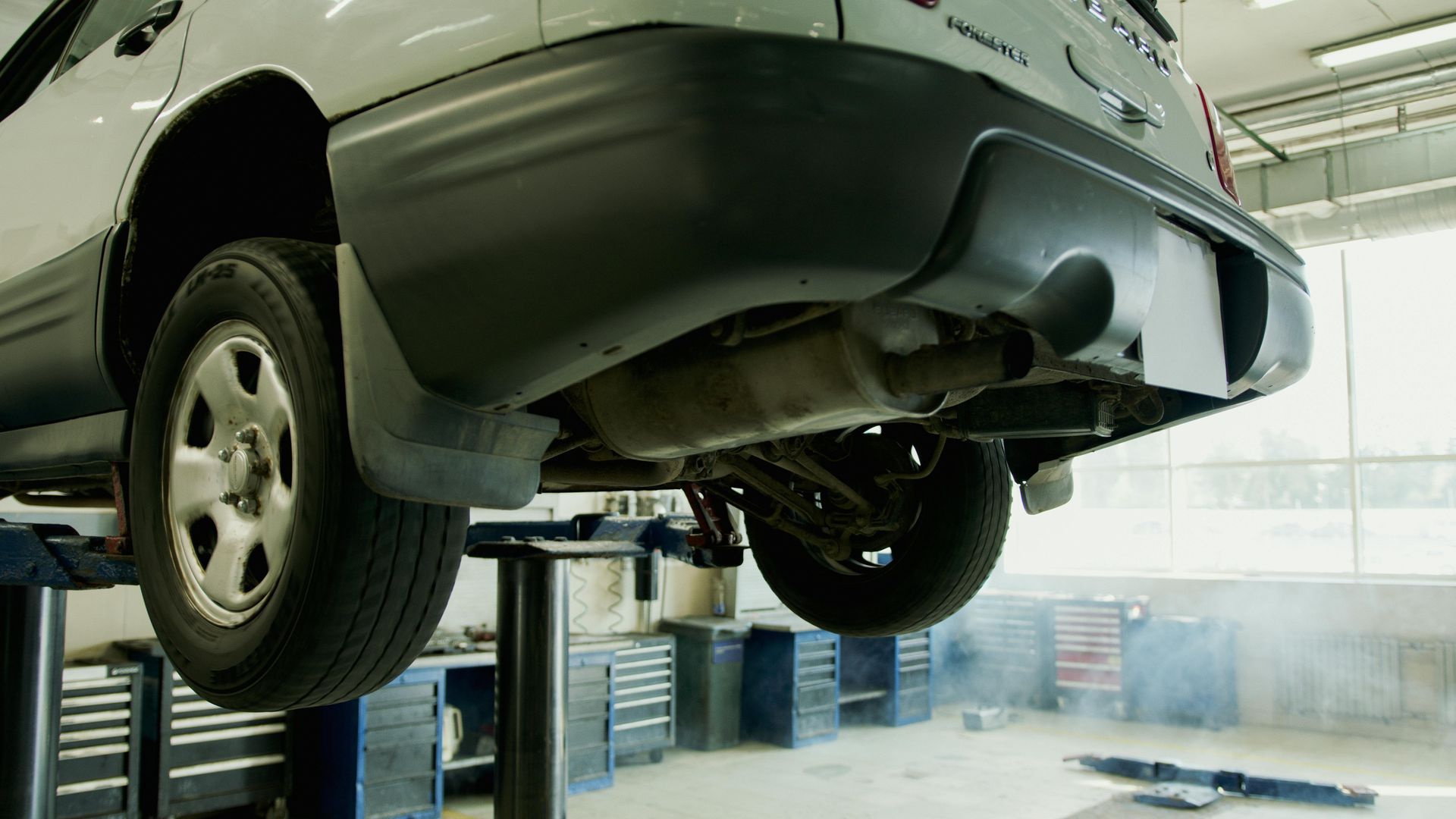
We start by checking which wheel is noisy. We lift each wheel and spin it by hand to listen for sounds.
Sometimes, the squeal comes from just one brake, not all four. We look at the pads first since they’re usually the troublemakers.
Worn pads often have metal wear indicators that touch the rotor and make noise on purpose. We measure pad thickness to see if it's below 3mm.
Next, we check the rotors for grooves, rust, or glazing. A shiny, smooth rotor usually means it's glazed and needs resurfacing.
We also inspect the brake hardware, like clips and shims, to see if anything’s loose or missing.
Listening for Different Brake Noises
Each brake noise tells us something. A high-pitched squeal usually means the pads need replacing or the wear indicator is doing its job.
A grinding sound is a bigger deal. That means the pad material is gone and metal is scraping metal. We replace both pads and rotors when we hear grinding.
A rubbing or scraping noise while driving (not just braking) points to a stuck caliper or debris caught between the pad and rotor. Squeaking that only happens in wet weather is normal and usually disappears as the brakes dry.
Preventative Tips to Minimize Brake Squeal
Taking care of your brakes early can save you from annoying squeals and expensive repairs down the road. We focus on maintenance schedules and choosing the right brake pads to keep your ride quiet.
Regular Maintenance Schedules
We recommend brake inspections every six months or 6,000 miles. At each check, we look at pad thickness, rotor condition, and how the hardware is holding up.
Brake cleaning removes dust and debris that cause squealing. We clean the rotors, calipers, and pad contact points using specialized cleaner.
This service only takes about 30 minutes, but it can make a noticeable difference. Key maintenance tasks include:
- Lubricating caliper slides and contact points
- Checking brake fluid levels and quality
- Inspecting rubber boots and seals
- Measuring pad thickness (we replace pads below 3mm)
We also resurface or replace rotors if we see wear or scoring. Uneven rotors create vibrations that cause squealing.
Most vehicles need rotor service every 30,000 to 70,000 miles, but it really depends on how and where you drive.
When to Seek Professional Help
If your brakes squeal for more than a few days, it’s probably time to bring your car in. Sometimes the noise goes away on its own, but if it sticks around, something likely needs attention.
You should schedule an appointment with us right away if you notice:
- Grinding or scraping sounds instead of just squealing
- Your brake pedal feels soft or sinks to the floor
- Your vehicle pulls to one side when braking
- You see warning lights on your dashboard
- Your brakes feel less responsive than usual
If the squealing gets louder over time, that’s another sign your brake pads are probably wearing down faster than normal. Haven’t had a brake inspection in the past year?
It’s probably a good idea to stop by. We’ll check over your whole brake system and catch issues before they turn into pricey repairs.
During your visit, we'll check:
- Component
- What We Look For
- Brake pads
- Thickness and wear patterns
- Rotors
- Surface condition and warping
- Calipers
- Proper movement and function
- Hardware
- Loose or damaged parts
Don’t ignore brake noises, even if they seem minor. We’ve seen little squealing issues snowball into serious safety problems when left alone.
Our team can figure out exactly what’s making the noise and get it fixed the right way. Reach out to Buckeye Complete Auto Care if you want your brakes checked. We'll help make sure your car stops safely—and maybe a little more quietly, too.